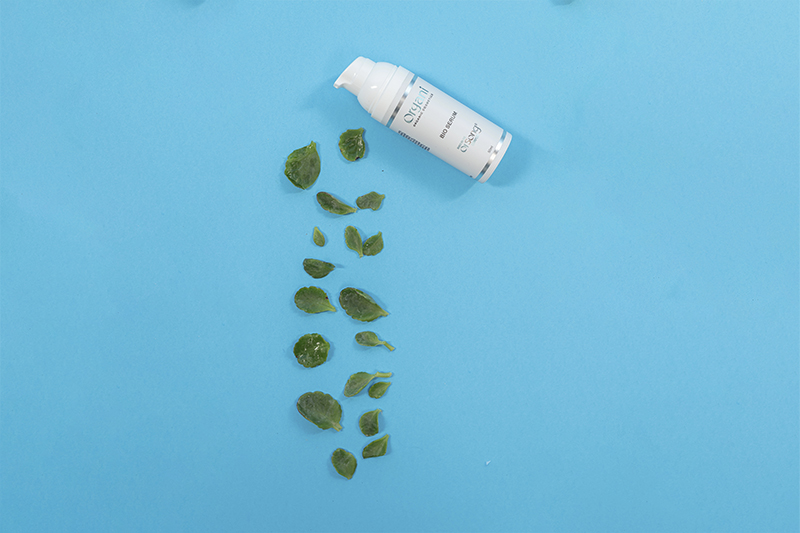



The Kalanchoe plant, also known as Kalanchoe pinnata or “Mother of Thousands,” has several notable benefits for the skin:
1. Anti-Inflammatory Properties
Kalanchoe contains flavonoids and phenolic compounds with anti-inflammatory effects. These compounds help soothe irritated or inflamed skin conditions such as eczema, psoriasis, and sunburn.
2. Wound Healing
Kalanchoe has traditionally been used for its wound-healing properties. It promotes tissue regeneration and accelerates the healing process of cuts, burns, and minor wounds.
3. Hydration
The leaves of the Kalanchoe plant contain a gel-like substance rich in water-retaining compounds. Topical application of this gel helps hydrate the skin, making it especially effective for dry or dehydrated skin.
4. Antimicrobial Activity
Kalanchoe exhibits antimicrobial properties, primarily due to its flavonoid and tannin content. Flavonoids are plant compounds with antioxidant and anti-inflammatory effects that protect plants from UV radiation, while tannins have strong antioxidant properties that help protect skin cells from oxidative damage caused by free radicals. Together, these compounds may help combat various bacterial, fungal, and viral skin infections, such as acne, athlete’s foot, and cold sores.
5. Anti-Aging Effects
Kalanchoe contains antioxidants such as phenolic acids and flavonoids that help neutralize harmful free radicals. This activity slows visible signs of aging, reduces the appearance of fine lines and wrinkles, and promotes a more youthful-looking complexion.
6. Soothing and Cooling the Skin
Kalanchoe gel has a calming and cooling effect on the skin. It helps relieve itching, redness, and mild skin irritation.
7. Sunburn Relief
Kalanchoe gel can be beneficial in soothing sunburned skin. It helps reduce inflammation and provides a cooling sensation, easing discomfort caused by excessive sun exposure.